How to Paint Autumn Foliage in Watercolour: A Seasonal UK Guide
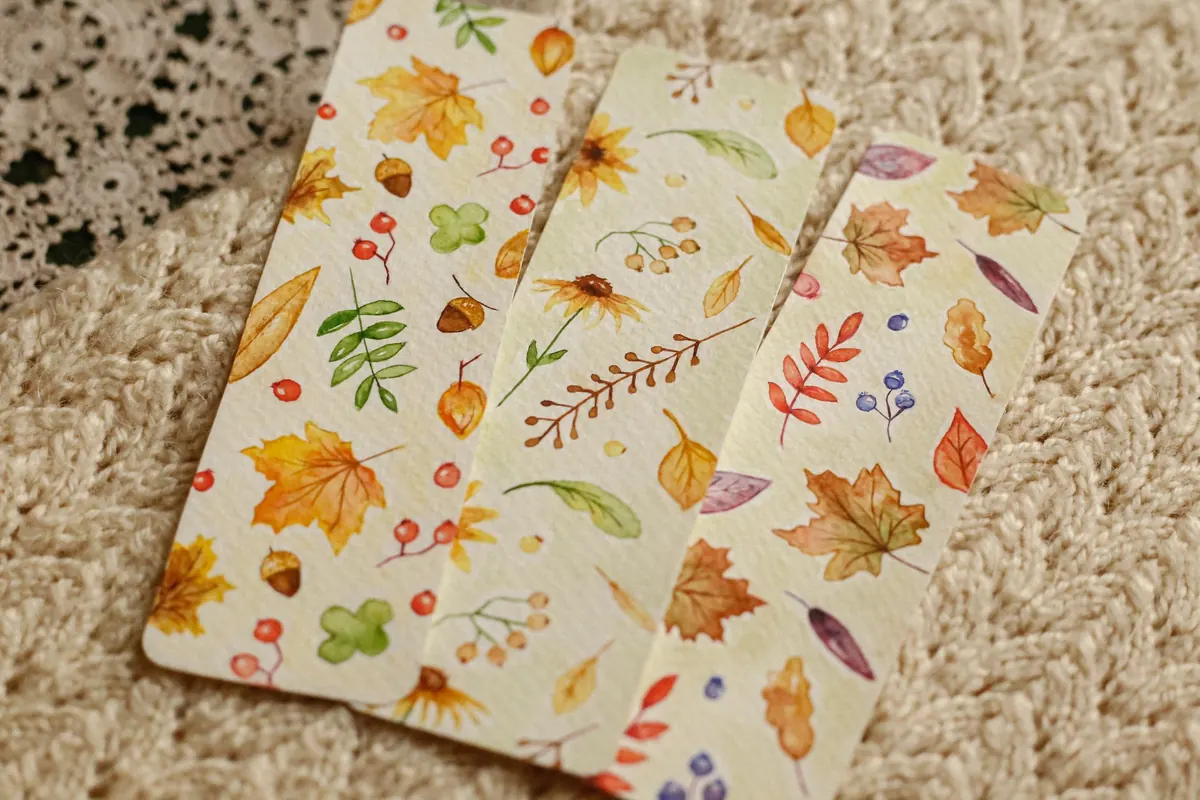
Autumn in Britain arrives in stages. Lime and ash turn first at the end of September, the hedgerow haws redden, and by mid-October the beech woods seem lit from inside. Then it goes quickly — one gale and the whole canopy is on the ground.
Watercolour suits this season better than any other medium. It bleeds, dries back, loses edges and behaves a little like weather. The aim is not to paint every leaf but to catch the way light moves through a thinning canopy. What follows is a working method built around British trees, hedgerows and the particular grey-gold light of an October afternoon.
Build a clean autumn palette first
Most autumn paintings fail for one reason: too many yellows and oranges mixed together on the palette until everything turns to sludge. Pick four warm pigments and stop negotiating with yourself.
- Quinacridone gold or transparent yellow — the backbone of clean golds. Transparent, so glazes keep their glow.
- Cadmium orange — use sparingly. It is opaque and quickly goes chalky over a wash.
- Burnt sienna — the quiet workhorse. Branch structure, recesses, russet oak.
- Raw umber — the cooler, greyer brown of ash, dead bracken and wet bark.
Then add two or three cool notes to keep the warmth honest: French ultramarine, indanthrone blue or a granulating violet for shadows, and a green you can push warm or cool — sap green, olive, or simply a yellow and blue mixed on the paper.
Mixing tip: lay a pale yellow wash, then drop red or blue into it while it is still damp. The paper does the mixing for you, and the granulating pigments settle into the tooth of the sheet, which is exactly what you want for bark and leaf litter.
Read the tree before you paint it
Every species turns on its own schedule, and knowing the order helps you choose a subject that will still look right next week.
Early
Ash goes a soft, slightly sour yellow and drops almost immediately. Field maple is the brightest yellow in the wood, sometimes flushed with pink. Rowan turns orange-red while the berries are still on it, which gives you a rare warm-on-warm subject. Horse chestnut goes rusty and blotchy by mid-October.
Late
Beech holds its green longer than anything else, then turns copper-orange — backlit beech is the finest thing in a British autumn. Oak is last, going bronze and russet and often clinging on into December. Sycamore is dull yellow-brown; birch is clean, cool yellow.
If you want luminous gold, work with birch, field maple and early beech. If you want deep, heavy russet, wait for oak.
A three-wash method that keeps its light
- Draw shapes, not leaves. Trunk, three or four branch lines, the mass of foliage as one or two simple outlines. Resist drawing individual leaves — you will only end up colouring them in.
- First wash. Dampen the paper, then lay pale quinacridone gold and a hint of warm green, tilting the board so the pigment runs into soft, irregular edges. Leave white paper where the sky and the brightest gaps will be.
- Second wash. Once the first is dry — properly dry, not tacky — glaze mid-tone oranges, ochres and deeper greens. Keep the interior of the canopy darker to suggest depth.
- Third pass: darks. Burnt sienna mixed with ultramarine for branches, trunk and the deep recesses. Dry brush along the trunk for bark, using the side of the brush and very little water.
- Accents. A rigger for fine twigs, scattered spatter for leaf litter, a pinch of salt dropped into a damp wash for flaking bark or gravel. Masking fluid works for fine branches and grasses, but apply it before the first wash and use it sparingly.
The rule that saves almost every painting: never scrub a wet area. Muddy colour is usually impatience, not bad pigment. Walk away for ten minutes instead.
Hedgerows: where autumn gets crowded
A hedgerow contains more information than you can honestly paint. Simplify by choosing a rhythm — a line of haws climbing up and to the right, or one sloe branch crossing the mass. Paint the bulk in muted greens and browns, then add the fruit as small, sharp dots.
- Hawthorn haws and rosehips: permanent rose or alizarin crimson, slightly varied in size and tone.
- Sloes: ultramarine with a touch of permanent rose — leave a dry-brush haze over the top to suggest the bloom.
- Spindle: pink-orange capsules that make a superb focal point in an otherwise green mass.
- Elderberries: a deep violet-black, best kept small and dense.
Fewer, better berries. A hedge with fifty confident dots reads far better than one with five hundred timid ones.
Catching the woodland light
In autumn the sun sits low, so light travels through the canopy rather than down onto it. That changes how you paint.
For backlighting, leave the paper white where the light bursts through, then glaze a warm transparent yellow around those gaps once dry. Keep your shadows blue-violet rather than black — ultramarine with a little burnt sienna or violet does the job. On misty mornings, compress the values: paint the far trees as one or two soft grey-blue shapes and save your darkest darks for the near trunks. Anything that suggests a beam of light should have a soft edge, brushed over a damp wash rather than drawn.
Work warm in the light and cool in the shadow, keep one or two edges sharp, and the wood will usually feel lit.
Kit, paper and British weather
Cold-press or rough paper at around 300gsm gives you time to work and enough texture for dry brush. A large squirrel mop, one good round, a rigger and a small spray bottle will cover most of what autumn asks of you. Add kitchen roll, salt and a spare sheet for testing colour.
Damp autumn air slows drying, which is an advantage outdoors — your wet-in-wet washes stay open longer. Cold air also thins a wash as it hits the paper, so mix a little stronger than feels right. Photographs are useful for composition but unreliable for colour; cameras push autumn oranges towards neon, so trust your eyes and mix from observation where you can.
Your first autumn sketch
Start small. A single beech branch or a hawthorn spray at roughly 20×15cm, worked in about forty-five minutes with four pigments and no more than two passes. Then repeat it weekly through October and November, from the same spot and, if you can, at the same time of day. Keep the sheets together in a folder and date them.
You will learn more from that sequence than from any single finished painting, because what you are really recording is the light changing — and that is the thing watercolour does better than anything else.
Photo: betül nur akyürek / Pexels