Hosting a Local Colour Mixing Meet-Up: A Checklist for Community Organisers
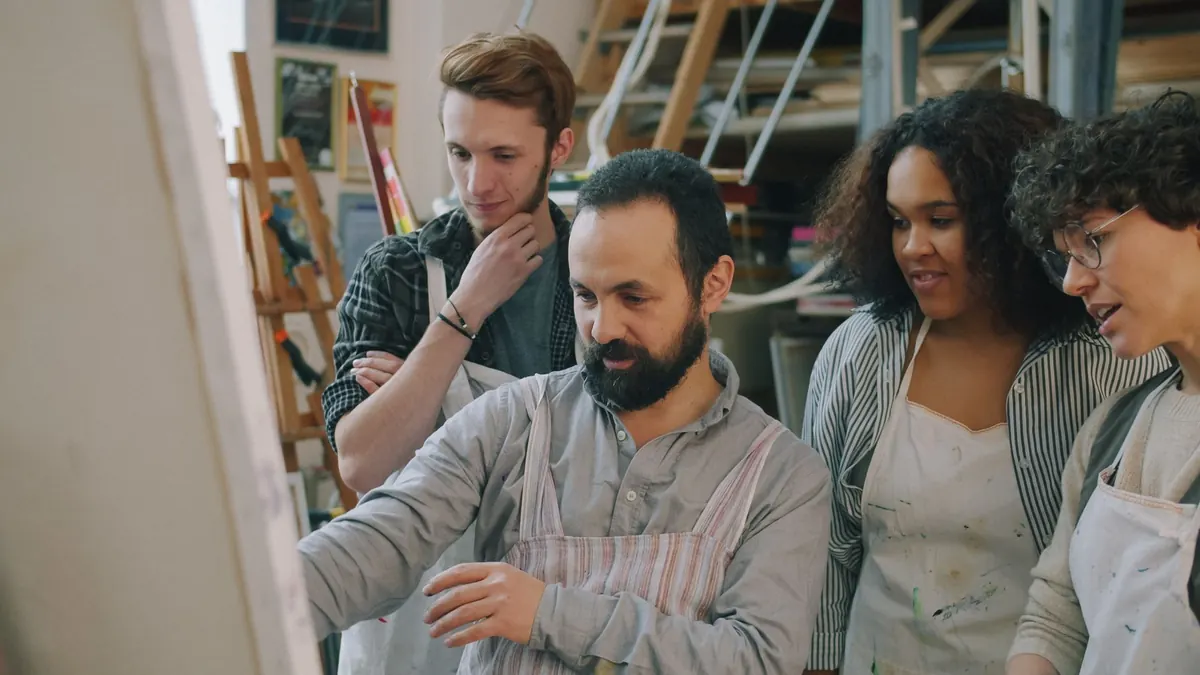
A colour mixing meet-up is one of the simplest events you can run. You need a table, some paint, and a handful of people who are curious about what happens when two colours meet. Everything else is detail — useful detail, but detail. What follows is a working checklist for organisers who want a warm, well-run afternoon rather than a polished production. If this is your first event, start with the venue and the guest list, then work through the rest as it becomes relevant.
Decide the Shape of the Session First
Before you look at rooms or price up materials, decide what people will actually do for two hours. "Colour mixing" is broad, and a vague plan makes for a passive room. A theme sharpens everything: mixing greens from a limited palette, making greys without reaching for black, building a set of skin tones, or exploring the ochre family. Pick one, and tell people in advance so they can bring their own paints if they prefer.
Two hours is a good length. Three is the practical maximum before concentration drops and clearing up becomes a chore. Decide, too, whether you will teach at all. A short demonstration — ten minutes, no more — gives beginners a foothold. Beyond that, most people learn more from mixing badly and comparing notes than from watching someone else do it well.
Choosing a Venue: the Practicalities Nobody Mentions
Light matters more than most organisers expect. Colours mixed under a yellow overhead bulb look quite different in daylight, and people will blame their own eyes. Look for a room with good natural light, or bring daylight bulbs and lamps if you are meeting in the evening.
After light, think about mess and access. You want wipeable tables, a floor that can be mopped, a sink or at least a water source nearby, and enough space between tables that people are not knocking elbows. Book the room for half an hour before and after the session — setting out palettes takes longer than you think, and nobody wants to be chased out by a caretaker.
Community halls, library meeting rooms, church halls, pub function rooms, and art shops with a workshop space all work well. Whatever you choose, ask about insurance requirements, key collection, whether you can tape things to the walls, and how the heating or ventilation is controlled. Get the answers in writing if you can.
A Materials List That Covers Almost Everyone
Assume that at least two people will arrive with nothing at all. Build a shared kit that can absorb them:
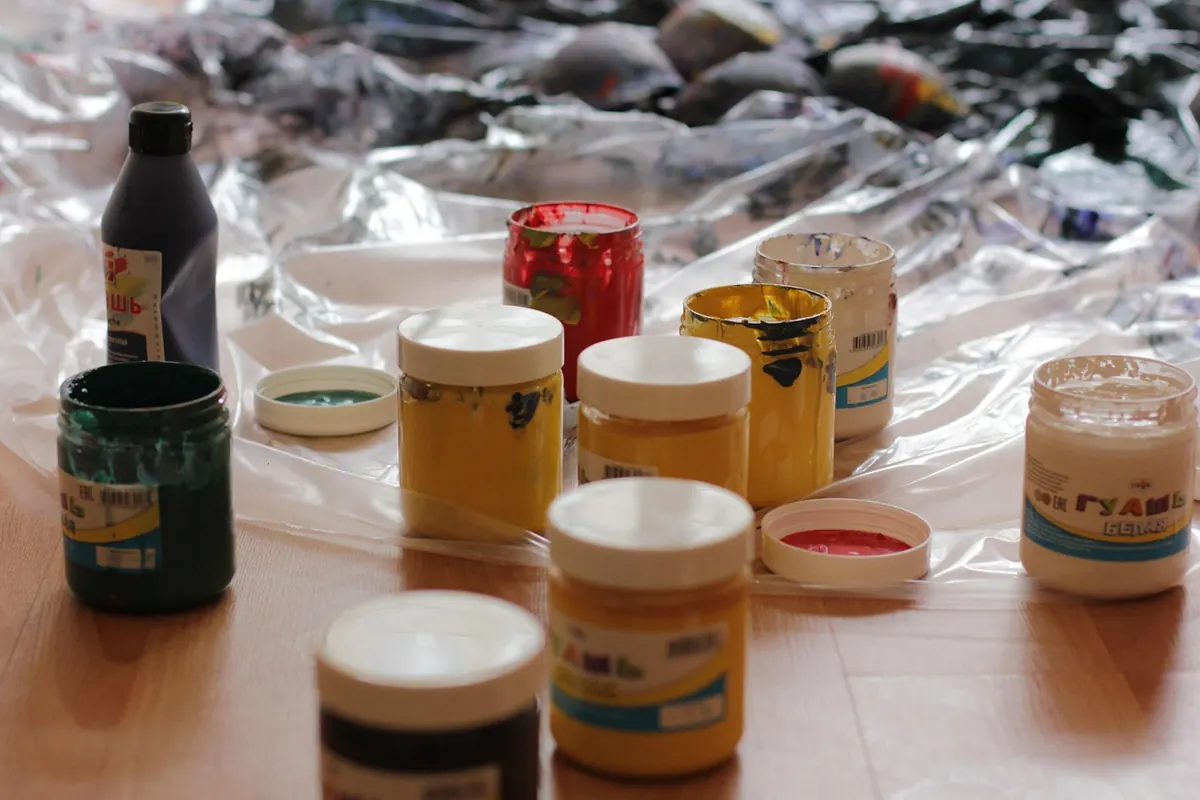
- A basic palette of paint: a warm and a cool version of each primary, plus titanium white. Add black only if your theme calls for it.
- Brushes in a few sizes, including one or two cheap flat brushes for blocking in.
- Water pots — jam jars are fine — and a separate jar for rinsing.
- Palettes, old plates, or plastic trays, plus a few ceramic ones if you have them.
- Paper or boards suited to the medium: cartridge paper for acrylics, proper watercolour paper for washes.
- Kitchen roll, rags, soap, and bin bags.
- Aprons or old shirts for the people who forgot.
- Pencils, masking tape, labels, and a marker for naming mixes.
- Swatch cards or small notebooks so people can take their results home.
Buy to a sensible budget and accept that some of it will be used up. One cleaning note worth putting on the wall: acrylic paint should never go down the sink. Wipe brushes and palettes with kitchen roll, bin it, then wash. It saves you an awkward conversation with the venue.
Accessibility and Comfort
Think about this at the booking stage, not the week before. If you cannot find a fully accessible venue, say so plainly in your listing so people can make their own decision, and offer to help with anything you can arrange.
- Step-free entry, an accessible toilet, and enough turning space for a wheelchair or walking frame.
- Chairs with backs, a few stools for people who prefer to stand, and tables at a workable height.
- Wide aisles between tables, kept clear of bags and boxes.
- Advance notice about solvents. If your medium needs white spirit or similar, ventilate the room well and mention it in the listing so people with sensitivities can plan.
- A quiet corner where anyone can step away for a few minutes.
- Handouts in large print, with strong contrast and no pale grey type.
- Water, tea, and something plain to eat. Ask about dietary needs when people book.
Tell people what to expect and they will look after themselves. Surprises are what put people off coming back.
A Running Order That Keeps Things Moving
- Arrival and set-up (15–20 minutes). Tea, name badges, materials out on the tables.
- Welcome (5 minutes). Explain the theme, the shape of the session, and where the loos are.
- Demonstration (10 minutes). One clear idea, not five.
- Mixing (45–60 minutes). Circulate. Ask questions rather than giving answers.
- Break (15 minutes). Halfway, so people can compare what they have made so far.
- Sharing circle (15 minutes). Each person shows one mix and says what surprised them.
- Clear up together (15 minutes). Ask for help and you will usually get it.
Numbers, Money, and Looking After Yourself
Cap the group to the table space you have, not to how many people say they are interested. One experienced helper for every eight to ten participants keeps things calm. If you are charging, keep it simple: a contribution towards materials rather than a ticket price, especially at the start. Keep a note of what you spend and what comes in, and once the event becomes regular or the amounts grow, it is worth taking proper advice on insurance and any local requirements rather than guessing.
Keep a basic first-aid kit on site, know how to reach the venue's first aider if they have one, and write down your emergency contact details on the sign-in sheet. Ask two other people to share the load — one on tea and greeting, one on clearing up. Running an event alone is the quickest way to stop running it at all.
Keeping It Going After the First One
Repeat the meet-up at the same time and place, monthly or six-weekly, rather than planning one ambitious event. Regularity builds the habit, and the second and third sessions are always easier than the first. Collect names and email addresses with permission, ask at the end what people would like to try next, and keep a box packed with the shared materials so setting up takes twenty minutes rather than an hour. Then book the next date before everyone leaves the room.
Photo: Vitaly Gariev / Pexels